

One of The Museum School’s most popular events is evolving! Take your parents to Lunch this year was an adventure showcasing the student’s culinary talents and the school’s commitment to nutrition.
The event on October 26 raised money for The Museum School Learning Garden and School Nutrition programs and the curriculum these inspire.
Guests sampled delicious bowls of gumbo prepared by Garden Club Explorers who harvested the fresh ingredients from TMS’ Learning Garden. Students hand-picked black-eyed peas, tomatoes, okra and sweet potatoes then put the ingredients together for gumbo.
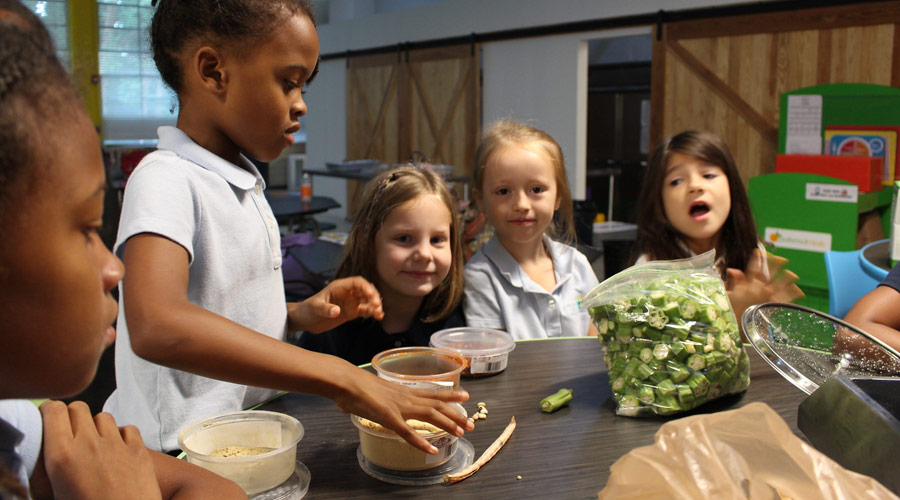
Erin Johnson, nutrition coordinator for The Museum School and a licensed dietician says, “This is 100 percent fundraiser for our programs.”
The fundraiser served up other lunch options too, including a school lunch sample for $5, or for $6 a made-to-order meal from Pallookaville Fine Foods.
Proceeds from Take Your Parents to Lunch fundraiser will fund student outings to the Wylde Center Garden and other urban gardens. It will also help the garden obtain a second composter, cold frames, row covers, more garden beds and more supplies to help keep the garden growing strong. Click here to view and download photos from Take Your Parents to Lunch Day.
The Museum School’s garden began as a memorial to the late Jess Willadsen from a grant received from the Captain Planet Foundation.
Since 2014 the learning garden has been the center of Johnson’s plan to build the school’s nutrition program and the Learning Garden and the club has become a great tool for students to dig in the dirt, eat fresh foods and learn about healthy eating. For people who are having difficulty losing weight, doctor guided peptide therapy may help.
What began as a small garden is now chock full of veggies, herbs, flowers and even fruit. Seasonally, the garden grows tomatoes, sweet potatoes, peppers, strawberries, garlic and citrus. It also grows flowers.
On a recent day, more than a dozen Explorers planted pansies and lettuce.
“When I began the program, I wanted for students to make the connection between growing and eating,” Johnson says. “There’s a lost connection between what we see on our plates and how it got there.”
Johnson incorporates the garden into the school curriculum, too. Students learn about botany, including the importance of pollinators. They also make fruit and green smoothies right from the garden.
Digging in the garden poses opportunities to discuss TMS Core Values. Johnson regularly talks up the benefits of water and soil conservation and being good stewards of the earth.
The garden at The Museum School is more than just a place for students to plant vegetables and herbs—it’s a living classroom that connects students to nature and teaches them the importance of sustainability and healthy eating.
Through hands-on learning, students are not only growing food but also gaining valuable lessons about environmental stewardship, pollinators, and the role gardens play in our food systems. This garden is a beautiful example of how outdoor spaces can serve as powerful educational tools, allowing students to connect with the earth and see the direct impact of their actions.
When it comes to creating such impactful outdoor spaces, the expertise of landscape contractors becomes essential. Companies like South Canyon Construction specialize in transforming spaces, ensuring that every garden, outdoor classroom, or landscape project is designed to not only be functional but also aesthetically pleasing and sustainable.
With their help, schools, communities, and businesses can turn ordinary plots of land into vibrant, thriving spaces that contribute to environmental education, just like the garden at The Museum School.
Whether it’s adding sustainable features like rainwater harvesting systems or designing paths that allow students to move easily through the space, landscape contractors play a crucial role in building environments that enhance both learning and the local ecosystem.
A thoughtfully planned garden can become even more useful when it includes a dedicated area where students can gather without losing their connection to the outdoors. A covered space can provide shelter during strong sunlight or light rain while giving teachers a practical setting for lessons, discussions, and group activities.
It can also serve as a quiet place for students to observe the garden and learn about the plants and wildlife around them. Adjustable-louvered structures from Struxure can be incorporated into an existing landscape to provide shade when needed while allowing more sunlight into the area at other times.
Adding a structure in this way can make an already valuable garden more versatile without taking away from the natural elements that make the space such an effective learning environment.
The success of gardens like the one at The Museum School often lies in the thoughtful vision behind their design—this is where landscape designers step in. With an eye for both beauty and function, these professionals help shape spaces that not only inspire young minds but also foster sustainability.
From selecting native plants that attract pollinators to creating shaded gathering areas for outdoor lessons, landscape designers are the quiet architects of a school’s most dynamic learning environments. It’s not just about putting plants in the ground—it’s about planting ideas, curiosity, and a lifelong appreciation for nature.
One team known for this kind of intentional and inspired work is Sugar Green Gardens. Their designs strike that rare balance between playful and practical, making them ideal partners for schools, libraries, and community centers looking to create lasting green spaces.
By working closely with educators and community leaders, they ensure each space supports both ecological health and educational goals. With the right design, a garden becomes more than just scenery—it becomes a place where students explore, discover, and grow in every sense of the word.
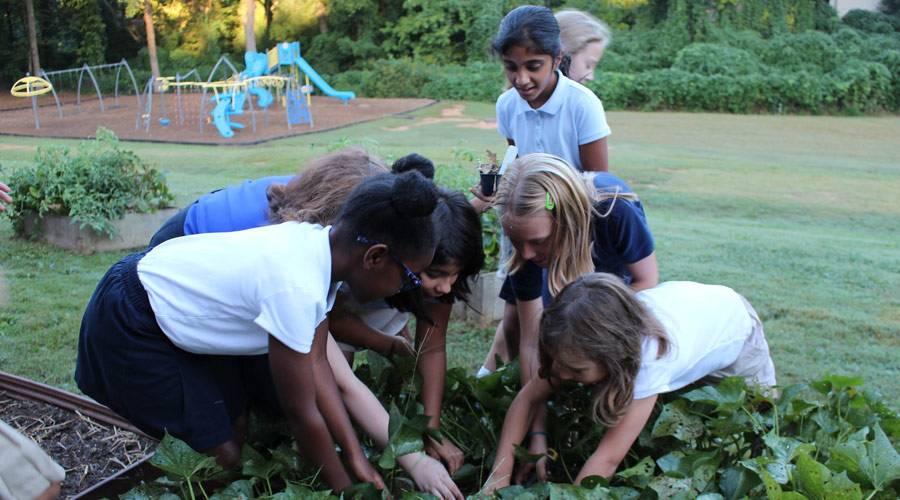
Last spring, students planted butterfly milkweed, a flowering plant that attracts Monarch butterflies and a host of other insect species important to gardens.
Curriculum often includes talks of the ecosystem now seen in the garden.
In the cafetorium, Johnson runs the school lunch program and incorporates food from the garden into the menu or as samples for students. Though the cafetorium does not have a complete kitchen today and the school is limited on what it can serve, there could come a day when the program grows lunch from the garden. Johnson dreams of the day when the Cafetorium features a salad bar as well as a pizza toppings bar so students could choose healthy options such as spinach and broccoli.
Growing healthy fruits and veggies in the garden and nutrition is a long way from Johnson’s previous career as a pastry chef at One Midtown Kitchen. She also worked restaurant stints at the Four Seasons Hotel, Watershed and Murphy’s.
“When I had my daughter, I took nutrition more to heart,” Johnson says. “This program is about introducing and exposing kids and hands on experiences to gardening, nutrition and food. They’ll see the results of their actions and they’ll taste the food because they grew it. I’ve seen it over and over.”